Unique properties and diverse applications of travertine
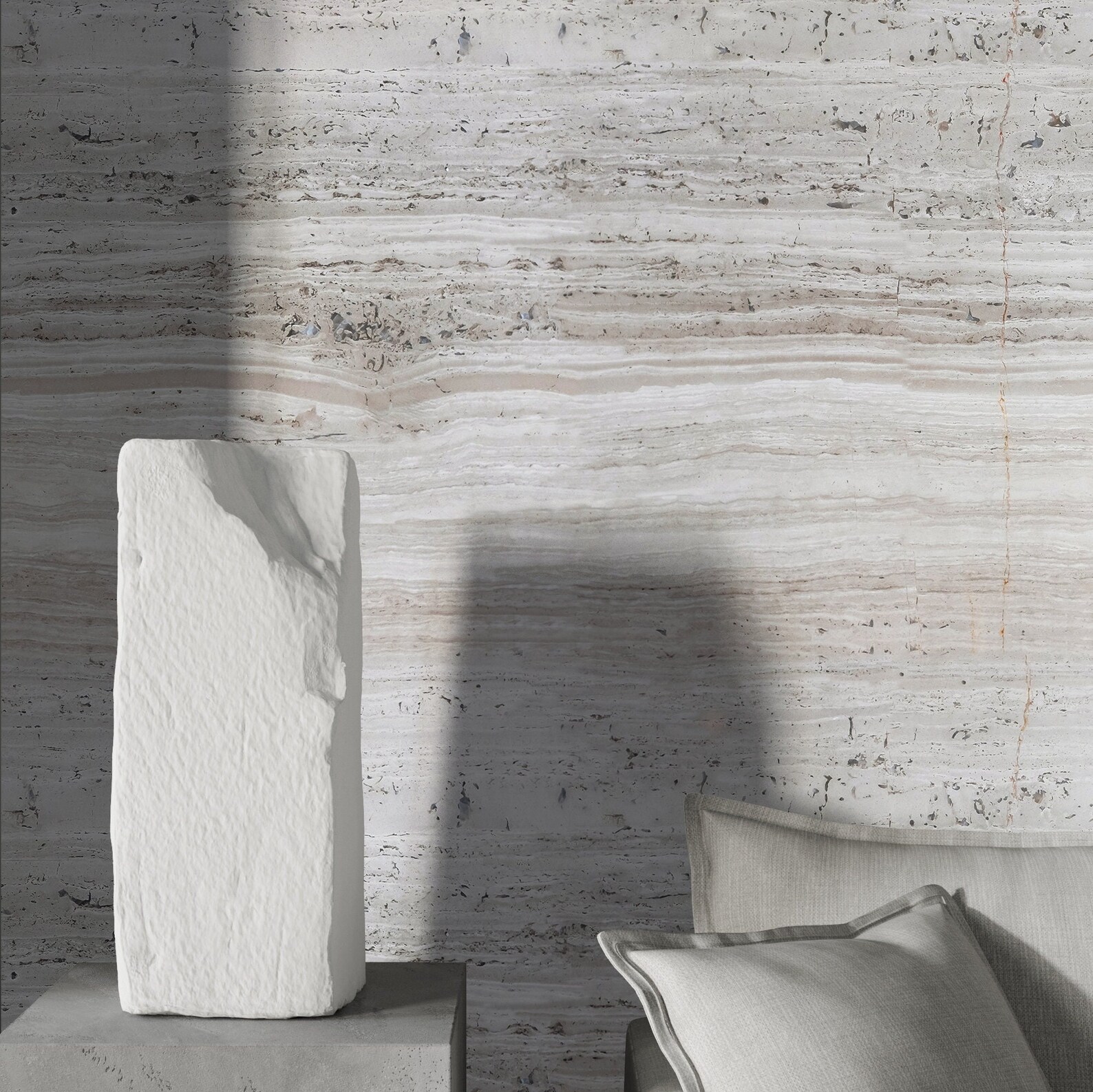
Travertine is a sedimentary rock formed as a result of the precipitation of limestone from water, containing high concentrations of carbon dioxide, which makes it unique for a variety of architectural applications. It has a characteristic texture with a large number of pores that are formed as a result of internal activity.
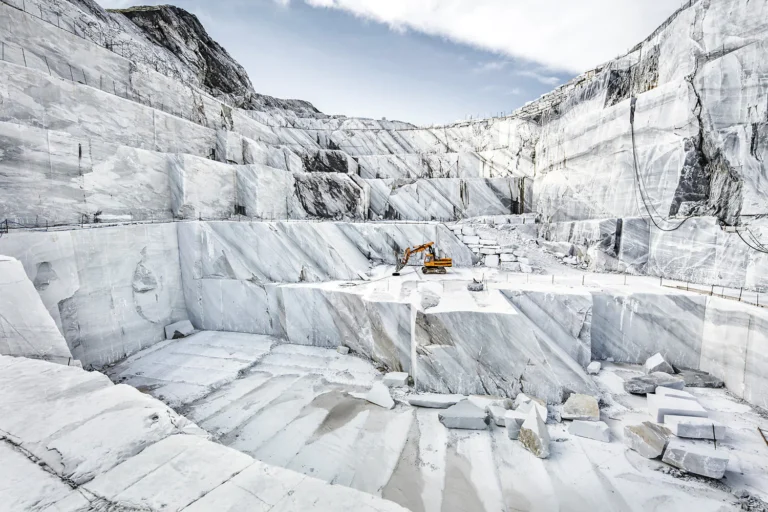
Calcite sediment is mined in many countries around the world where there are suitable natural conditions for its formation. The main regions of production include Italy, Turkey, Mexico, China, Iran, the United States, and many other countries. In many cases, it is extracted in open pits or mines and then used for various construction and decorative purposes, such as flooring, walls, as well as for creating sculptures and fountains.
It has different colors, such as gray, cream, brown, red and white, depending on mineral impurities. This type often contains inclusions of various minerals: quartz, gypsum, clay, and others, giving it an additional color and unique look.
Limestone also has good strength and resistance to wear and tear, and is popular in the construction industry.
By the way, the first travertine structures found were associated with ancient buildings and monuments. For example, Roman buildings such as the Colosseum used travertine as a building material. Thus, travertine formations were known in ancient times.
Characteristics of natural stone:
- Texture: porous texture with numerous pores and holes visible on the surface.
- Durability: has a fairly high strength and resistance to wear, popular for flooring and other structures.
- Processing: easy to process, allows you to create a variety of shapes and patterns for decorations.
- Water Absorption: This grade can have different levels of water absorption, ideal for use in bathrooms, swimming pools and wet environments.
- Resistance to temperature changes: due to its good resistance to temperature, it is popular for exterior cladding and landscaping.
- Environmental friendliness: does not contain harmful chemical compounds, does not release harmful substances into the air, so it is environmentally friendly for construction.
- Durability: with proper care, it serves for a very long time and is a profitable investment in the quality of construction and decorative work.
- Uniqueness: each slab has its own special patterns, which makes each project using it unique.
- Chemical composition: consists mainly of limestone (limestone minerals), such as calcite, arat (dolomite).
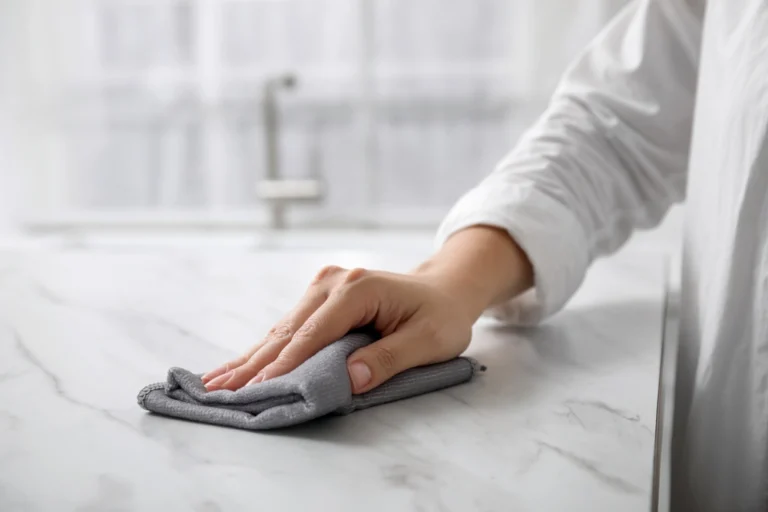
- Restoration capability: If necessary, it can be restored, polished and treated to reconstruct the original appearance, which extends the service life and maintains an attractive appearance.
- Thermal conductivity: high conductivity, ideal for floor coverings in underfloor heating systems.
- Accentuate the beauty of nature: in the interior or exterior, it creates an atmosphere, reflects naturalness and tranquility, which is especially attractive to people.
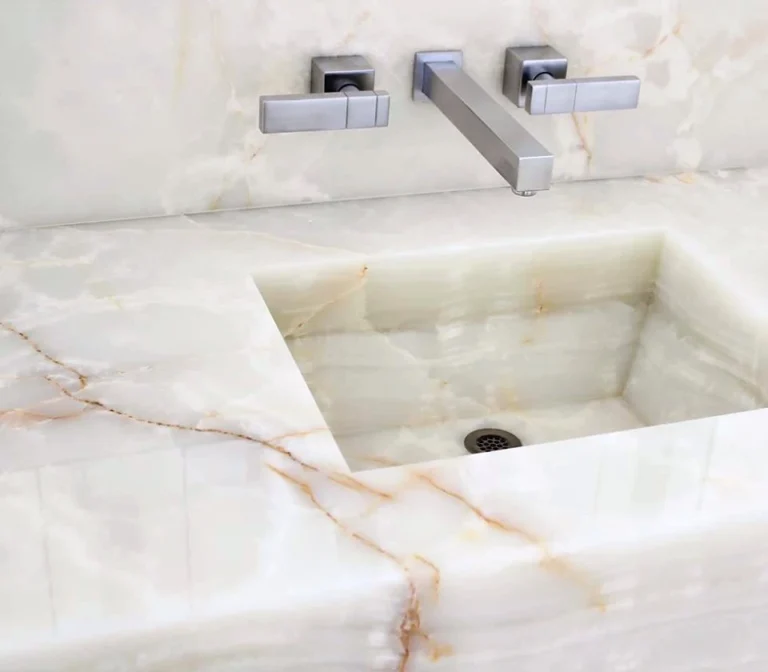
In a world where every stone has its own story, travertine is special. The granite workshop produces high-quality travertine bathroom tiles, modern kitchen countertops, sinks with a cabinet, corner fireplaces ,attic stairs, outdoor tiles, wall handrails, travertine provence tiles, staircase railings, sink organizers, fireplaces for the home, outdoor window sills, indoor window sills, railings , etc. Masters of their craft are able to create real masterpieces. They can use it as they see fit: from floors to wall cladding, and carry out turnkey interior projects using travertine as an elegant and sophisticated design element that gives the room uniqueness and style.
It is a stone that has its own soul, its own inner beauty, and attracts admirers. In the hands of craftsmen, it becomes a part of living history, an embodiment of elegance. Due to its unique texture and shades, it is used in many places – from ancient palaces to modern buildings – and can turn any room into an architectural masterpiece. Its use depends on the imagination and creativity of the masters and allows to create unique images that fascinate with their attractiveness. This is an inspiration for those who are looking for individuality in every detail, which fascinates and impresses with its uniqueness.
Finally, let’s look at some information. Where do these unusual stones come from? They are formed due to the deposition of carbonate sediments that form in water sources such as rivers and lakes. For thousands of years, water saturated with carbon dioxide has been depositing calcium carbonate, forming layers of travertine. This process creates exceptional textures that make each sample unique.
Why are they able to become the embodiment of beauty and craftsmanship? Due to its natural beauty, it becomes an excellent material for projects. Natural shades and variations in color add to any interior or exterior painting. It has a natural warmth that attracts the eye and creates coziness and comfort.