What is marble? All the features of the stone
Marble is one of the most popular rocks used in many areas, from the production of decorative elements to the creation of marble columns and other building structures. Natural stone became very popular in ancient times, and the trend continues to this day. To a large extent, this prevalence is the reason for the premium appearance and characteristic features that no other material can boast of.
What are the types of marble and where is it mined?
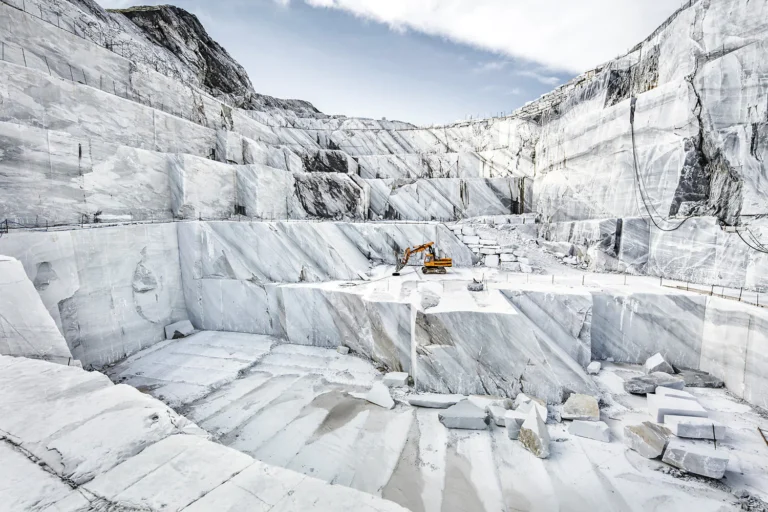
The sources of the stone are scattered all over the world, but the most common marble is Ukrainian, Norwegian, Greek, Italian and French. Regardless of the country of the supplier, the price of the material is always approximately identical, but only if it is not a rare variety. The most common types of fossils that can be easily found and ordered in Ukraine:
- Green marble: is characterized by a high content of iron silicates, which give the stone its brightness and sophistication;
- Black marble: the igneous rock has a pronounced black hue due to the impurities of bitumen and graphite, which occur exclusively near volcanoes;
- White marble: the most affordable and popular type, the composition of which is endowed with limonite;
- Pink marble: a fairly rare type of stone with a uniquely delicate shade, which is formed due to a large percentage of iron oxide;
- Blue marble: another rare type of fossil that stands out for its high content of blue dioxide;
- Gray marble: it is divided into two subtypes – fine and coarse-grained;
- Brown marble: the formation of the material involves limonite and manganese.
Each of these species is good in its own way, so it is recommended to study all the characteristics of a particular breed in more detail before making a final decision. However, the differences between them are not so great, because marble is mostly salt (calcium carbonate). As a rule, most customers focus exclusively on color and cost, which is quite justified.
Strength and durability of marble
Natural rocks, such as granite, are incredibly durable and long-lasting, but what about marble? To a large extent, the condition and durability of rock products depends on the proper care and method of use. If it is used as a work surface, for example, a marble countertop, then there will be no special modifications even after several decades. It should not be forgotten that the material is quite fragile and does not tolerate rough physical impact. Accordingly, it is not the most reasonable option to use rock in the creation of stairs or flooring in working areas.
In terms of resistance to low and high temperatures, marble has no equal. Most likely, you have seen fireplaces made entirely or partially of this fossil. The situation is similar with regard to the fossil’s resistance to chemicals, as it is not afraid of most household solutions. However, you should not hesitate in case of contact with acids, as some of them irreversibly damage the appearance and texture of the material even after a short contact time. On average, marble structures last between 15 and several hundred years, depending on the quality and frequency of maintenance.
Effective and economical marble care
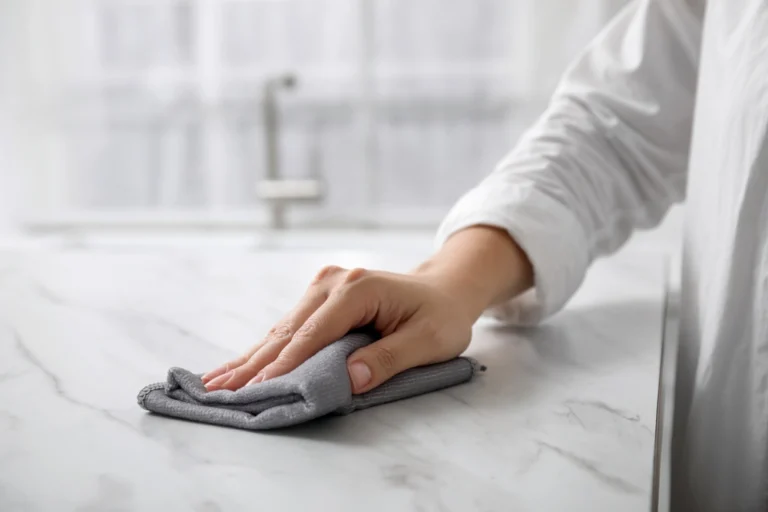
Due to its composition, marble is a rock that is very demanding for regular and proper care. There are several effective recommendations that can be followed to achieve the most cost-effective and effective result. First, clean the surface of the product daily with a soft brush or a cotton dry cloth to remove dirt and dust, which is the main cause of scratches and loss of shine. Second, use only neutral cleaning solutions or even plain water. If possible, it is best to purchase a special product for cleaning natural stones.
In addition to regular wiping of the surface, professional cleaning should be carried out every 1-2 months to maintain the original appearance. Also, over time, the product begins to absorb moisture, which causes stains to appear on it. To avoid such a situation, it is enough to seal limestone marble with appropriate liquids. It is important to understand that the required frequency and degree of maintenance directly depends on the operating conditions. If the products are not indoors, but outdoors, they need to be cleaned much more often and thoroughly.
Is it worth taking marble and its worthy alternatives
Pink marble and other types of fossil are significantly more expensive than other popular natural stones. Nevertheless, the stone remains very common, because its texture, heterogeneous pattern and natural appearance can complement any design project. If you have a limited budget, you can look at a worthy alternative – artificial marble. However, it should be noted that the cheaper option has fundamental differences from the usual natural material. This applies not only to tactile sensations, but also to a number of characteristic features of the fossil, such as luster and durability.